1. Beets May Help Support Healthy Blood Pressure
Beets naturally contain dietary nitrates. After consumption, the body can convert some of these nitrates into nitric oxide, a compound that helps blood vessels relax and function normally.
Research suggests that nitrate-rich beetroot juice may modestly reduce blood pressure in some people. However, the size of the effect varies, and results from studies of beetroot juice do not necessarily apply equally to every beet product or serving size.
Beets can be included in a heart-healthy eating pattern alongside vegetables, fruits, whole grains, and other nutritious foods.
Important: Beets are not a substitute for prescribed blood-pressure medication. Anyone managing hypertension should continue following their healthcare professional’s advice.
2. They Provide Fiber for Digestive Health
Beets contain dietary fiber, which helps support normal digestion and bowel regularity.
Eating enough fiber from a variety of foods can help maintain digestive function. Fiber also contributes to a balanced diet that supports healthy cholesterol levels and blood glucose regulation.
To increase your fiber intake, consider adding beets to salads, grain bowls, soups, or roasted vegetable dishes. Combining them with other vegetables, legumes, and whole grains can help you obtain different types of fiber.
If you are increasing your fiber intake, do so gradually and drink enough fluids to help your digestive system adjust.
3. Beets Contain Beneficial Plant Compounds
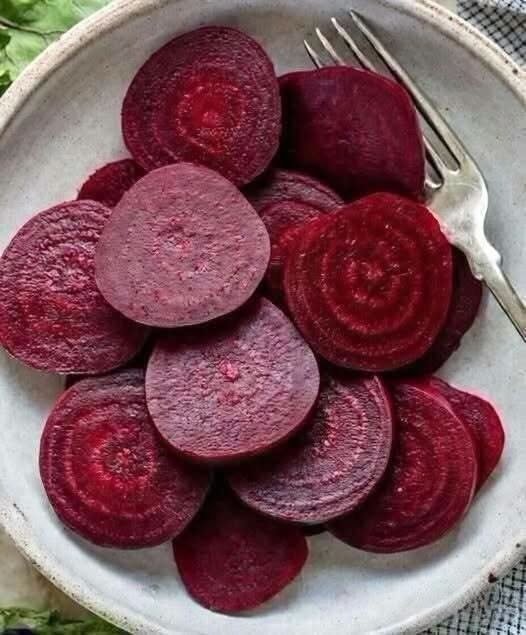
The red and purple color of many beets comes from natural pigments called betalains. These compounds have antioxidant properties and are being studied for their potential roles in human health.
Antioxidants help protect cells from oxidative stress, a process associated with normal metabolism and various environmental exposures.
Although laboratory research has identified interesting properties in beet compounds, more human research is needed to establish the extent of specific health benefits from eating beets.
The practical takeaway is simple: beets are one useful addition to a varied diet rich in colorful vegetables and fruits. No single vegetable can provide every nutrient or guarantee protection against disease.
4. They Supply Important Vitamins and Minerals
Beets provide several nutrients, including folate, which helps the body make DNA and supports normal cell division.
They also contain smaller amounts of other vitamins and minerals. Their overall nutritional contribution depends on the quantity eaten and how they are prepared.
Whole beets are a convenient option because they can be incorporated into many meals without requiring added sugar or elaborate preparation.
For everyday eating, try roasted beets with herbs, grated raw beets in a salad, or cooked beets served alongside beans, whole grains, or a source of protein.
5. Beets Can Temporarily Change Urine or Stool Color
One effect that sometimes surprises people is a reddish or pink color in urine or stool after eating beets. This is commonly known as beeturia when it affects urine.
The change is caused by natural beet pigments and is generally harmless when it occurs after beet consumption. Not everyone experiences it, and the color change can vary.
However, it is important not to assume that every instance of red or pink urine or stool is caused by food. Blood can have a similar appearance.
If the color change is unexplained, persists, recurs, or occurs with pain or other symptoms, seek medical advice. When in doubt, a healthcare professional can help determine the cause.
Are Beets Safe for Everyone?
Most people can enjoy beets as part of a balanced diet. However, a few considerations may be relevant for certain individuals.
Beets contain oxalates, naturally occurring compounds that can contribute to calcium-oxalate kidney stone formation in susceptible people. Anyone with a history of these stones or a prescribed low-oxalate diet should follow individualized advice from their healthcare professional.
People taking medication for blood pressure should also discuss significant dietary changes or concentrated beetroot juice supplements with a healthcare professional if they have concerns about their blood pressure.
For most people, ordinary portions of cooked or raw beets are a straightforward way to add variety to meals.
Easy Ways to Add Beets to Your Diet
You do not need a special recipe to enjoy beets. Try these simple options:
- Roast them with olive oil and herbs.
- Grate raw beets into a salad.
- Add cooked beets to a grain bowl with vegetables and beans.
- Blend a small portion into a smoothie with fruit.
- Add diced beets to soups or homemade vegetable dishes.
Choose preparations that suit your preferences, and check the ingredients in packaged beet products if you want to limit added salt or sugar.
The Bottom Line
Beets provide fiber, folate, and naturally occurring plant compounds. Their nitrate content may help support healthy blood pressure in some people, while their fiber contributes to normal digestive function.
However, the effects vary from person to person, and beets are not a cure or a replacement for medical treatment. Including them alongside a variety of vegetables, fruits, whole grains, and other nutritious foods is a sensible way to enjoy their potential benefits.
As with any food, the overall dietary pattern matters more than relying on one ingredient.