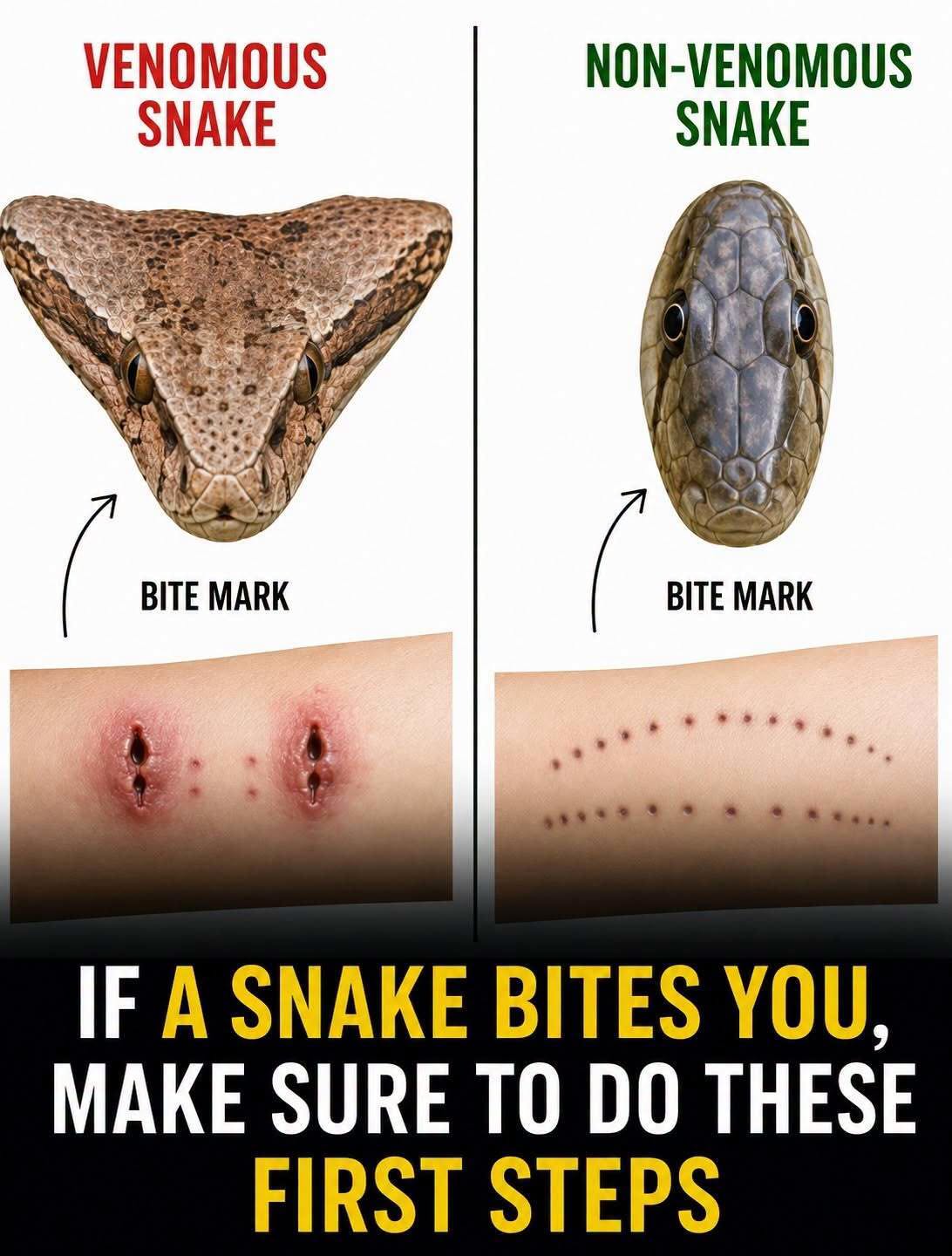
While waiting for help, keep the person calm and as still as reasonably possible. Avoid unnecessary walking or physical activity, especially if transportation or emergency assistance is available.
2. Keep the Bite Area Still
Movement can increase circulation, so try to keep the affected limb as still as possible.
If practical, keep the limb in a comfortable position and avoid unnecessary movement. Follow instructions from emergency medical professionals if they provide specific guidance.
3. Remove Tight Items
Swelling can develop around a snake bite. If possible, remove rings, watches, bracelets, shoes, or other restrictive items from the affected limb before significant swelling occurs.
Do this gently and without manipulating the bite unnecessarily.
4. Keep the Wound Clean
If it can be done safely without delaying medical care, gently clean the bite area with soap and clean water and cover it with a clean dressing.
Do not scrub aggressively or attempt to manipulate the wound.
5. Remember What the Snake Looked Like—But Don’t Approach It
If you noticed the snake from a safe distance, try to remember its general size, color, markings, or other distinctive features. This information may be useful to medical professionals.
Never attempt to catch, kill, or handle the snake. Returning to the animal to obtain a better identification could result in another bite.
6. Avoid Dangerous Home Remedies
Several traditional approaches can make a snake bite worse. Do not:
- Cut or make incisions around the bite
- Attempt to suck venom from the wound
- Apply ice directly to the bite
- Use a tourniquet unless specifically directed by an appropriate medical professional
- Burn or electrically treat the wound
- Attempt to squeeze or massage the affected area
These methods do not replace medical treatment and may cause additional injury.
7. Be Careful With Medication
Do not take medication simply because you believe it will prevent complications. Tell medical professionals about any medicines you have already taken and follow their instructions about pain relief or other treatment.
Medical treatment depends on factors such as the type of snake, the bite location, symptoms, and the person’s overall condition.
Prevention Can Reduce the Risk
If you spend time in areas where snakes may be present, a few precautions can help reduce the chance of an encounter.
Wear appropriate footwear and clothing, particularly in areas with tall grass, rocks, brush, or other places where snakes may hide. At night, use a flashlight and avoid putting your hands into holes, crevices, woodpiles, or dense vegetation without first checking the area.
Children should also be taught not to approach or handle snakes, even when the animal appears harmless.
The Most Important Steps
A suspected snake bite should be treated seriously. Stay calm, minimize movement, avoid potentially harmful remedies, and seek professional medical care promptly.
Do not wait for severe symptoms before getting help. A healthcare professional can assess the bite, monitor for complications, and provide appropriate treatment when necessary.
This information is for general awareness and does not replace advice from emergency medical services or a qualified healthcare professional.