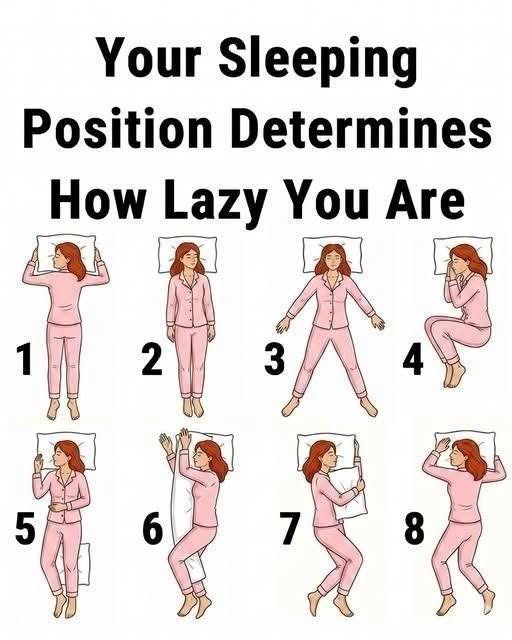
From spinal support to breathing patterns, several factors can influence how you sleep. Understanding these differences may help you create a more comfortable sleeping environment.
Why Do People Prefer Certain Sleeping Positions?
People often develop sleeping preferences based on comfort, habit, and physical circumstances.
Some individuals naturally find it easier to relax on their sides, while others prefer sleeping on their backs or stomachs. These preferences can also change over time due to factors such as age, mattress support, pregnancy, or physical discomfort.
Your sleeping position may also change throughout the night. Even if you fall asleep in one posture, you may move several times without remembering doing so.
For this reason, a person’s usual sleeping position should not be viewed as a fixed indicator of their personality or overall health.
Side Sleeping: A Common Choice
<text>Side sleeping is a popular position among adults. Some people find it comfortable because it allows their body to rest in a natural, relaxed posture.</text>
For people who experience snoring or certain breathing difficulties during sleep, side sleeping may help reduce symptoms. However, results vary, and persistent breathing problems should be discussed with a healthcare professional.
Using a supportive pillow that keeps the head and neck comfortably aligned may also help reduce unnecessary strain.
Back Sleeping: Comfort and Spinal Support
Sleeping on your back allows your weight to be distributed across a relatively broad surface. Some people find this position comfortable, particularly when their mattress provides adequate support.
A pillow that supports the natural curve of the neck may help maintain a comfortable position.
However, back sleeping can worsen snoring or obstructive sleep apnea in some individuals. People who regularly experience interrupted breathing during sleep should seek medical advice rather than relying only on a change in sleeping position.
Stomach Sleeping: Possible Neck and Back Discomfort
Some people prefer sleeping on their stomachs because it feels familiar or comfortable.
However, this position often requires the head to remain turned to one side for extended periods. Depending on the person’s posture and mattress, this may contribute to neck or back discomfort.
A suitable pillow and comfortable mattress may help, but people who regularly wake up with pain may benefit from discussing their sleeping habits with a healthcare professional.
Can Sleeping Positions Reveal Personality Traits?
One popular belief is that sleeping positions reveal someone’s personality. For example, certain articles associate curled-up sleeping postures with sensitivity or back sleeping with confidence.
These interpretations may be entertaining, but they should not be treated as scientific conclusions.
There is no strong evidence that a person’s sleeping posture can reliably determine their personality, emotional characteristics, or behavior.
Personality is influenced by many factors, including experiences, environment, and individual differences. A sleeping position alone cannot provide a reliable assessment.
How to Make Your Sleeping Environment More Comfortable
Regardless of your preferred position, a comfortable sleep environment can support better rest.
Consider these practical habits:
- Choose a supportive mattress: Your mattress should provide comfort and support appropriate to your body and sleeping preferences.
- Use a suitable pillow: The pillow should help keep your head and neck in a comfortable position.
- Maintain a consistent schedule: Going to bed and waking up at similar times can support a regular sleep routine.
- Keep your bedroom comfortable: A quiet, dark, and suitably cool environment may make it easier to fall asleep.
- Pay attention to discomfort: Frequent neck pain, back pain, or breathing difficulties during sleep deserve attention.
If sleep problems continue or affect your daily activities, consider seeking advice from a qualified healthcare professional.
What Your Sleeping Position Really Means
Your favorite sleeping position may tell you something about what feels comfortable to your body, but it cannot reliably reveal your personality.
Side, back, and stomach sleeping each have potential advantages and disadvantages. The most suitable position can depend on individual comfort, physical needs, and existing health conditions.
Rather than focusing on personality labels, pay attention to how well you sleep and whether you wake up feeling rested.
Understanding your sleeping habits is a useful starting point for improving your nighttime routine and creating an environment that supports healthy sleep.