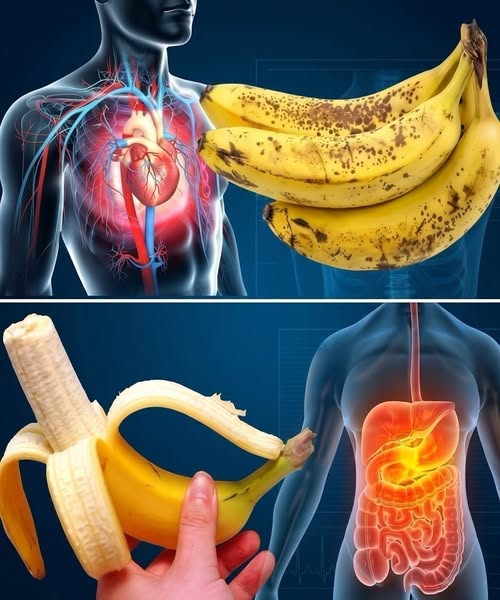
A Simple Fruit With a Useful Nutritional Profile
Bananas contain carbohydrates, fiber, and several vitamins and minerals.
They’re particularly known for providing potassium, an essential mineral involved in normal muscle function and other processes in the body.
They also provide natural carbohydrates, which can make them a convenient source of energy.
That doesn’t make bananas a miracle food, however.
No single fruit can provide everything your body needs, and eating one banana isn’t going to transform your health overnight.
Your Digestive System May Notice a Difference
Bananas contain dietary fiber, which plays an important role in normal digestion.
The amount and type of carbohydrate in a banana can also change as the fruit ripens.
A greener banana generally contains more resistant starch, while a ripe banana becomes softer and sweeter as some of its starches are converted into sugars.
Because people respond differently to foods, some may find bananas easy to digest while others may notice bloating or other digestive discomfort.
Ripeness Changes More Than the Flavor
The familiar difference between a green and a heavily spotted banana isn’t just visual.
As a banana ripens, its texture becomes softer and its taste becomes sweeter.
This means the same fruit can feel quite different depending on when you eat it.
People who prefer a firmer banana may enjoy less-ripe fruit, while others prefer the sweeter taste of a fully ripe one.
Bananas Can Be a Convenient Snack
One reason bananas remain so popular is convenience.
You don’t need to wash, cut, or prepare them in most situations. That makes them an easy option when you’re looking for a portable snack.
Pairing a banana with another food, such as yogurt, nuts, or another source of protein, can also make it part of a more filling snack or meal.
What About Potassium?
Potassium is one of the nutrients most commonly associated with bananas.
It’s an important mineral that the body needs for normal cellular and muscle function.
However, more potassium isn’t automatically better.
People with certain kidney conditions or those taking particular medications may need to pay closer attention to their potassium intake. In those situations, individual dietary advice from a healthcare professional is more appropriate than relying on general nutrition claims online.
Bananas and Blood Sugar
Because bananas contain carbohydrates and natural sugars, they can affect blood glucose.
However, the effect can vary depending on factors such as ripeness, portion size, and what else is eaten with the fruit.
That means it’s overly simplistic to describe bananas as either universally “good” or “bad” for blood sugar.
For people managing diabetes or another medical condition involving blood glucose, overall diet and individual medical guidance matter much more than focusing on one fruit.
You Don’t Have to Avoid Ripe Bananas
Some nutrition discussions make ripe bananas sound unhealthy simply because they’re sweeter.
But sweetness alone doesn’t make a food harmful.
A ripe banana can still be a nutritious part of a balanced eating pattern. The more important question is how it fits into your overall diet.
As with many foods, portion size and dietary variety matter.
Why Balance Still Matters
Bananas can provide useful nutrients, but they are only one part of a varied diet.
A healthy eating pattern generally includes a range of fruits, vegetables, whole grains, protein sources, and other nutrient-rich foods.
Relying heavily on any single food can leave nutritional gaps, even when that food is considered healthy.
That’s why bananas are best viewed as one convenient option rather than a special solution to every nutrition goal.
The Unexpected Part May Be How Versatile They Are
Bananas can be eaten on their own, added to oatmeal, blended into smoothies, mixed into yogurt, or used in cooking and baking.
Their texture and natural sweetness make them useful in many different meals.
And because they are inexpensive and easy to carry, they can be a practical choice for people looking for simple ways to include fruit in their diet.
So, What Happens When You Eat Bananas Regularly?
For most people, eating bananas simply adds another source of carbohydrates, fiber, potassium, and other nutrients to the diet.
The effects are generally part of the bigger picture rather than a dramatic change caused by the fruit itself.
Your overall eating pattern, activity level, health conditions, and individual nutritional needs matter far more than any single food.
The Bottom Line
Bananas don’t need exaggerated claims to be useful.
They’re convenient, versatile, naturally sweet, and capable of contributing important nutrients as part of a balanced diet.
Instead of asking whether bananas are a “superfood,” it may be more useful to think of them as what they really are: a simple fruit that can have a place in a varied, nutritious eating pattern.