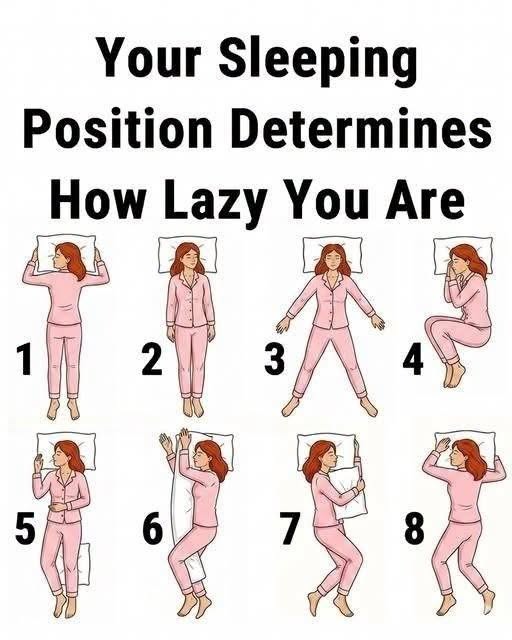
Why Do We Prefer Certain Sleeping Positions?
Most people don’t consciously plan their sleeping position. Instead, they naturally settle into a posture that feels comfortable and familiar.
Several factors may influence this preference, including mattress firmness, pillow height, physical discomfort, personal habits, and underlying health conditions.
For example, someone experiencing shoulder discomfort may find it easier to sleep on the opposite side. Another person may prefer sleeping on their back because it reduces pressure on their hips.
Habits can also play a role. If you have slept in the same position for years, your body may naturally return to it when you settle into bed.
It’s worth remembering that sleeping positions often change throughout the night. The position you adopt when falling asleep may be different from the one you wake up in the morning.
For this reason, your favorite sleeping posture shouldn’t be treated as a complete picture of your health or personality.
1. Side Sleeping: A Popular Choice for Comfort
Side sleeping is common among adults and can offer several practical benefits, depending on individual needs.
For some people, sleeping on the side helps maintain a comfortable spinal position. It may also reduce snoring in certain individuals, particularly when compared with sleeping flat on the back.
People who experience lower back discomfort sometimes find relief by bending their knees slightly and placing a pillow between them. This can help support a more comfortable position during the night.
Side sleeping may also be recommended during pregnancy, although the most appropriate position can depend on the stage of pregnancy and individual medical advice.
However, side sleeping isn’t automatically comfortable for everyone. Remaining on one side for long periods can place pressure on the shoulder and hip, especially when the mattress or pillow doesn’t provide suitable support.
A simple comfort tip: Choose a pillow that keeps your head and neck reasonably aligned with your spine. If your hips or lower back feel strained, try adjusting your knee position or placing a pillow between your knees.
Ultimately, the best position is one that supports comfortable, restful sleep without creating new aches or pressure points.
2. Back Sleeping: Does It Support Better Alignment?
Sleeping on your back can help some people maintain a relatively neutral head, neck, and spinal position.
When the mattress provides appropriate support and the pillow is the right height, this position may distribute body weight comfortably across the sleeping surface.
Some people also appreciate that back sleeping places less direct pressure on the face and may reduce contact between the skin and the pillowcase.
However, back sleeping isn’t ideal for everyone.
For people who snore frequently or have obstructive sleep apnea, sleeping on the back can worsen breathing interruptions. In these cases, side sleeping may help, although it isn’t a substitute for proper evaluation and treatment.
Back sleeping can also feel uncomfortable for people with certain types of back pain.
If you prefer this position, placing a pillow beneath your knees may help some people feel more comfortable by reducing tension around the lower back.
As with other sleeping positions, personal comfort and any existing health conditions matter more than following a general rule.
3. Stomach Sleeping: Comfortable for Some, Challenging for Others
Some people find it easiest to fall asleep on their stomach. If this is your preferred position, you may have become accustomed to the feeling over many years.
However, stomach sleeping can create challenges for the neck and back.
Because the head usually needs to turn to one side to allow breathing, the neck may remain rotated for an extended period. Depending on your posture and mattress, this can contribute to stiffness or discomfort.
Some people also experience pressure around the lower back.
If you regularly wake up with neck pain or stiffness, consider experimenting with a different position. Using a relatively thin pillow, or no pillow beneath the head if comfortable, may reduce the amount of neck elevation. A thin pillow beneath the pelvis may also help some stomach sleepers feel more comfortable.
You don’t necessarily need to change positions if you sleep well and experience no discomfort. But persistent pain is worth discussing with a qualified healthcare professional.
4. The Fetal Position: Why Curling Up Feels Comfortable
The fetal position involves sleeping on your side with your knees bent toward your chest. Some people curl up tightly, while others keep their posture relatively relaxed.
This position may feel reassuring simply because it is familiar and comfortable.
Keeping the knees slightly bent can also help some people find a comfortable sleeping posture, particularly when they use a supportive pillow between their legs.
However, curling up too tightly may leave some people feeling stiff when they wake up. Keeping the body in a relaxed position, rather than pulling the knees firmly toward the chest, may help improve comfort.
There is no strong scientific basis for assuming that people who sleep in the fetal position are necessarily more sensitive, anxious, or reserved. Such descriptions may be entertaining, but they shouldn’t be mistaken for established psychological findings.
Your sleeping posture is not a personality test.
5. Does Your Sleeping Position Change With Age?
It can.
Sleeping habits may change as people grow older, experience changes in mobility, or develop conditions that affect comfort during the night.
For instance, someone who once slept comfortably on their stomach may begin preferring a side position after experiencing recurring neck discomfort.
Changes in mattress preferences, physical activity, medication, and sleep quality can also influence how someone sleeps.
Pregnancy, temporary injuries, and certain medical conditions may lead people to experiment with different positions as well.
These changes aren’t necessarily a cause for concern. In many cases, they simply reflect changing comfort needs.
However, if you notice a sudden, persistent change in your sleep accompanied by pain, breathing difficulties, or other concerning symptoms, consider seeking medical advice.
6. Can Your Sleeping Position Affect Sleep Quality?
Yes, sleeping position can influence comfort and breathing for some people, but it is only one part of healthy sleep.
Your bedroom environment, regular sleep schedule, stress levels, mattress, pillow, and daily habits can all contribute to how rested you feel.
For example, someone may sleep in an otherwise comfortable position but still wake up tired because of frequent interruptions during the night.
Likewise, repeated snoring, gasping during sleep, morning headaches, or persistent daytime sleepiness may indicate an underlying sleep problem that deserves professional attention.
Changing your sleeping position may help in some circumstances, but it shouldn’t replace medical assessment when symptoms continue.
Rather than searching for one universally perfect position, pay attention to how you feel when you wake up and whether you sleep comfortably throughout the night.
How to Find a Sleeping Position That Works for You
You don’t need to force yourself into a particular posture simply because it is popular or recommended online.
Instead, consider a few practical steps:
- Choose a supportive pillow. Your head and neck should feel comfortably supported without being pushed too far forward or backward.
- Check your mattress. It should provide a comfortable balance of cushioning and support for your body.
- Adjust your posture gradually. If your current position causes discomfort, experiment with small changes rather than trying to transform your sleeping habits overnight.
- Notice recurring symptoms. Morning stiffness, persistent pain, or unrefreshing sleep may offer clues about what needs attention.
- Seek professional guidance when necessary. Ongoing breathing problems, significant pain, or persistent sleep difficulties deserve appropriate medical evaluation.
Small adjustments to your sleep environment can sometimes make a meaningful difference to comfort.
The Bottom Line: Your Body May Be Seeking Comfort, Not Revealing a Secret Personality
Your favorite sleeping position may reflect habit, comfort, physical support, or the way your body responds to particular conditions.
Side sleeping can be helpful for some people, while back sleeping or stomach sleeping may feel more comfortable for others. Each position has potential advantages and disadvantages, depending on the individual.
What matters most is whether your sleeping posture allows you to rest comfortably and wake up feeling reasonably refreshed.
Instead of trying to interpret your personality from the way you sleep, use your sleeping habits as an opportunity to understand your comfort needs.
Sometimes, the most useful question isn’t “What does my sleeping position say about me?”
It’s “Am I sleeping comfortably, and is my body getting the rest it needs?”