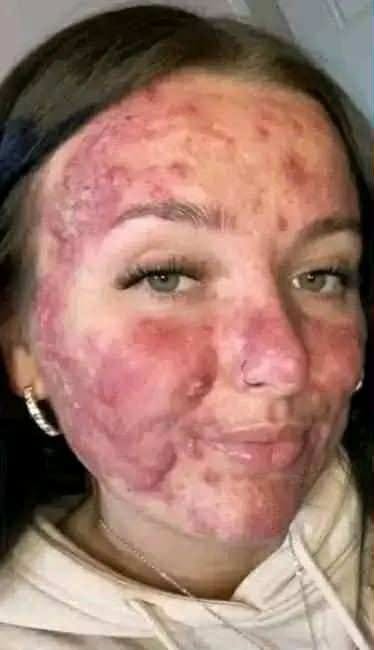
Hives occur when certain cells in the skin release histamine and other substances that cause swelling and itching. They can develop in association with allergic reactions, infections, medications, physical triggers, or other factors. In many cases, the exact cause is not identified.
What Can Trigger Hives?
Hives do not always have an obvious trigger. However, several factors may contribute to an outbreak, including:
- Foods: Certain foods can trigger hives in people with specific food allergies.
- Medications: Some prescription and over-the-counter medicines can cause hives or other skin reactions.
- Infections: Viral and other infections can sometimes be associated with outbreaks.
- Temperature and pressure: Heat, cold, exercise, sweating, or pressure on the skin can trigger hives in some individuals.
- Stress: Emotional stress may worsen symptoms in some people, although it is not necessarily the underlying cause.
Identifying a pattern can be helpful, but suspected triggers should not automatically be considered the cause. A healthcare professional can help assess whether further investigation is needed.
When Does Itching Require Medical Attention?
Occasional itching may improve with simple skin care, but persistent or recurring symptoms deserve attention, particularly when they interfere with sleep or everyday activities.
A healthcare professional can examine the skin, review medications and recent exposures, and consider other possible explanations for the symptoms. This is important because not every itchy rash is caused by hives.
Hives are generally classified as acute when they last for six weeks or less and chronic when they recur for more than six weeks. Chronic hives can occur without an identifiable external trigger.
Seek emergency medical help if hives occur with difficulty breathing, swelling of the tongue or throat, faintness, or difficulty swallowing. These symptoms can indicate a severe allergic reaction. Do not wait for the rash to improve before seeking help.
Safe Ways to Relieve Itching
Treatment depends on the cause, severity, and duration of the symptoms. For many people with hives, healthcare professionals may recommend a suitable, non-drowsy antihistamine. Medication choice and dosage should follow professional advice and the product instructions, particularly for children, pregnant individuals, or people with other medical conditions.
Some simple measures may also help ease discomfort:
- Apply a cool compress: A clean, cool, damp cloth may soothe itchy areas.
- Avoid excessive heat: Hot showers and overheated rooms can aggravate symptoms in some people.
- Choose comfortable clothing: Loose, breathable fabrics may reduce friction and irritation.
- Use gentle skin care products: Fragrance-free moisturizers can help when dryness contributes to discomfort.
- Avoid scratching: Scratching can further irritate the skin and make symptoms harder to tolerate.
Home remedies should be used cautiously. Although oatmeal-based skin products may soothe some types of irritation, evidence that homemade mixtures treat hives is limited. Honey and essential oils, including chamomile oil, can cause skin irritation or allergic reactions in some individuals. They should not be considered substitutes for appropriate medical treatment.
Can You Prevent Hives From Returning?
Prevention depends on whether a specific trigger can be identified. If a clear association exists, avoiding that trigger may reduce future outbreaks. However, many cases of hives occur without an identifiable cause, so prevention is not always possible.
Keeping a symptom diary may help. Record when the welts appear, how long they last, any accompanying symptoms, recent illnesses, medications, and possible exposures. Photographs can also help a healthcare professional assess a rash that disappears before an appointment.
Avoid making major dietary changes or stopping prescribed medication without medical guidance. If symptoms continue, a clinician can help determine whether further evaluation or a different treatment approach is appropriate.
Living With Persistent Itching
Recurring hives can affect more than the skin. Interrupted sleep, discomfort at work, and uncertainty about when symptoms will return can make everyday routines more difficult.
Clear information and an appropriate treatment plan can help people understand what is happening and recognize when symptoms need further assessment. It is also important to remember that similar-looking rashes may have different causes, so treatment that helps one person may not be suitable for another.
The Bottom Line
Hives are a common skin condition characterized by itchy, raised welts that may appear and disappear in different locations. They can be associated with allergies, infections, medications, physical triggers, or causes that remain unknown.
Cool compresses, gentle skin care, and avoiding identified triggers may help reduce discomfort, while antihistamines are commonly used under appropriate guidance. Persistent symptoms should be assessed by a healthcare professional, and any signs of a severe allergic reaction require emergency care.
Understanding the possible causes and choosing evidence-based treatment can help people manage itching more safely and make informed decisions about their skin health.