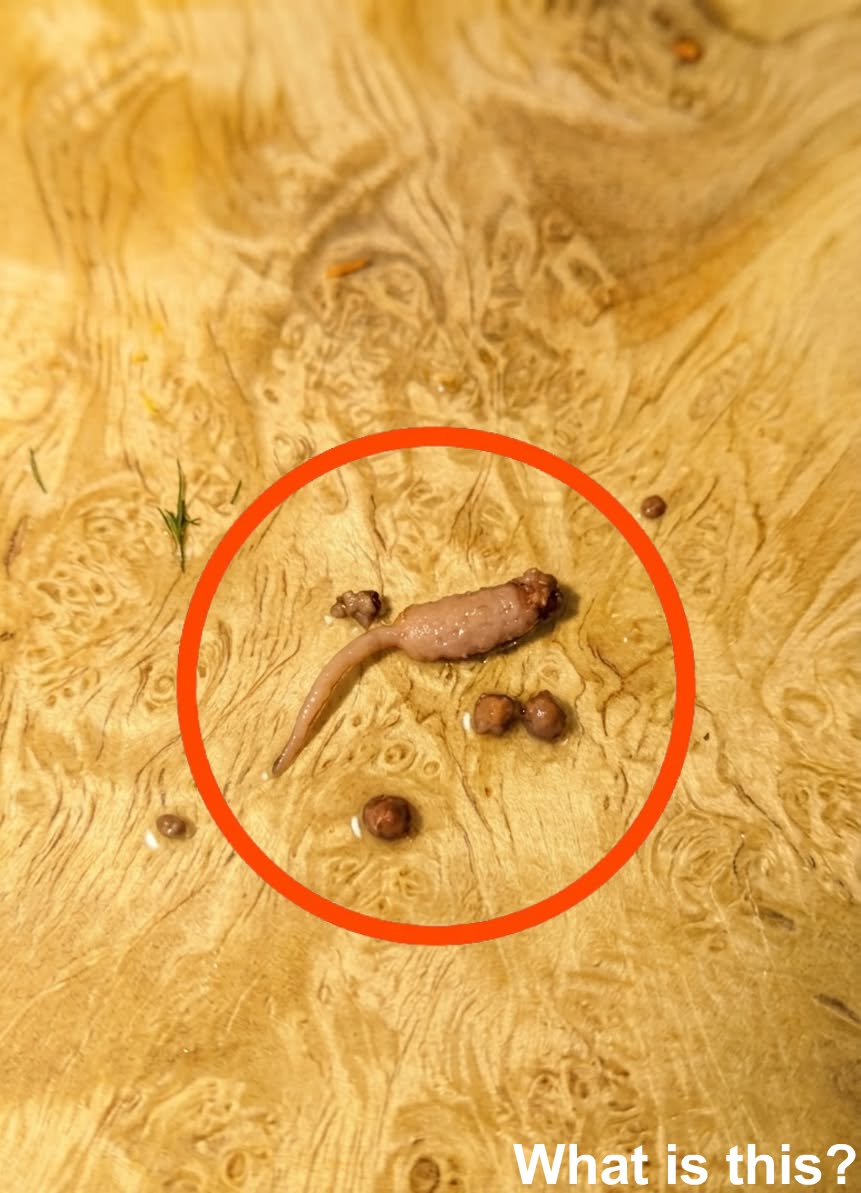
Is It Safe to Eat Ground Beef With Strange-Looking Material?
This is where caution matters.
Not every unusual-looking piece in cooked meat indicates contamination. However, identifying something as harmless connective tissue based only on its appearance is not reliable.
The safest approach is to avoid eating meat when you cannot identify an unusual object.
Ground beef should reach an internal temperature of 160°F (71°C), measured with a food thermometer, to help reduce the risk of harmful bacteria such as E. coli and Salmonella.
Proper cooking is important, but it does not guarantee that every possible foreign object or contamination concern has been resolved.
If the meat has an unusual odor, suspicious appearance, damaged packaging, or an unidentified object, it is better to stop eating it and investigate.
How to Choose and Handle Ground Beef More Safely
A few simple precautions can make a difference when preparing ground beef at home:
- Purchase ground beef from reputable retailers.
- Check packaging for damage, leaks, and expiration or use-by information.
- Keep raw ground beef refrigerated at 40°F (4°C) or below.
- Prevent raw meat juices from contacting ready-to-eat foods.
- Wash hands, utensils, and preparation surfaces after handling raw meat.
- Cook ground beef to an internal temperature of 160°F (71°C).
- Refrigerate leftovers promptly.
These basic food-handling practices help reduce the risk of foodborne illness.
The Takeaway: Not Everything Strange in Ground Beef Is a Worm
Finding something that resembles a tiny worm in your dinner can certainly be unsettling. But ground beef naturally contains different types of tissue, and cooking can make small pieces of fat and connective tissue twist into surprisingly unusual shapes.
A strange appearance does not automatically mean something dangerous is present. At the same time, it is important not to assume that an unidentified object is harmless.
The best response is to stay calm, examine the material carefully, and prioritize food safety.
Sometimes, what looks like a disturbing discovery in the kitchen has a surprisingly ordinary explanation — but when you cannot identify it, caution is always the better choice.