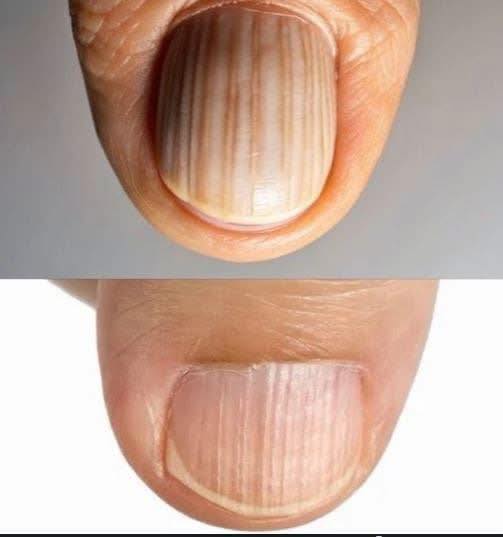
Your nails can reveal more about your overall health than most people realize. Subtle changes in nail texture, color, or pattern are often early indicators of internal imbalances. Among the most commonly overlooked signs are lines or ridges that appear on the fingernails.
While many people assume these marks are harmless cosmetic changes or minor injuries, they can sometimes reflect deeper nutritional, metabolic, or systemic health conditions. Understanding what these nail changes mean can help you take early action toward better health and wellness.
Vertical Nail Ridges: Common but Not Always Harmless
Vertical ridges are lines that run from the cuticle to the tip of the nail. In many cases, they are completely normal and become more noticeable with age as nail growth slows and moisture levels decrease—similar to how skin develops fine lines over time.
However, when vertical ridges become more pronounced or appear suddenly, they may be linked to underlying issues such as:
- Nutritional deficiencies (iron, magnesium, or protein)
- Dehydration
- General weakening of the nail structure
- Reduced keratin production
In these cases, the nails may appear brittle, uneven, or rough in texture. While not always a cause for concern, persistent changes may suggest that dietary adjustments or lifestyle improvements are needed.
Horizontal Nail Lines (Beau’s Lines): A Signal of Physical Stress
Horizontal lines running across the nail, known medically as Beau’s lines, are typically more significant than vertical ridges.
Unlike normal aging-related changes, these grooves often indicate that the body has experienced a temporary disruption in normal nail growth. This can happen when the body prioritizes recovery from stress or illness over non-essential functions like nail production.
Common causes may include:
- High fever or severe illness
- Physical trauma or surgery
- Metabolic stress or chronic health conditions
- Poor circulation or underlying disease processes
These lines act as a timeline, marking periods when normal growth was interrupted. If multiple nails show similar patterns, it may be worth consulting a healthcare professional.
Nutritional Factors That Affect Nail Health
In many cases, nail changes are connected to nutritional status. A balanced diet plays a key role in maintaining strong, healthy nails.
Important nutrients include:
- Biotin (Vitamin B7): Supports keratin production
- Iron: Helps prevent brittle or weak nails
- Zinc: Supports tissue repair and growth
- Healthy fats: Maintain nail flexibility and hydration
- Protein: Provides structural support for nail formation
Dehydration can also contribute to dry, ridged nails, making daily water intake an important factor in overall nail health.
External Factors That Can Damage Nails
Beyond internal health, environmental exposure can also affect nail appearance. Common contributors include:
- Frequent use of harsh cleaning chemicals
- Excessive exposure to water
- Acetone-based nail polish removers
- Improper nail filing techniques
Over time, these factors can weaken the nail plate, leading to splitting, ridges, and surface irregularities.
A gentle nail care routine can help reduce damage, including:
- Regular moisturizing of cuticles
- Using softer nail files
- Minimizing harsh chemical exposure
- Keeping nails clean and protected
When Nail Changes May Require Medical Attention
Most nail lines are harmless, but certain changes should not be ignored. It is recommended to seek medical advice if you notice:
- Dark vertical lines that change color
- Sudden or severe nail deformation
- Nail thickening, spooning, or clubbing
- Persistent changes affecting multiple nails
These symptoms can sometimes be associated with more serious underlying health conditions, including circulation issues or systemic disorders. A healthcare provider may recommend blood tests or further evaluation if needed.
Final Thoughts: Your Nails as a Window Into Health
Nails are often overlooked in daily health monitoring, yet they can provide valuable insight into what is happening inside the body. Subtle changes in texture or structure may reflect nutritional deficiencies, stress, or underlying health concerns.
Maintaining strong nail health is closely tied to overall wellness. A balanced diet, proper hydration, and gentle nail care habits can all contribute to healthier-looking nails over time.
While not every ridge or line is a cause for concern, paying attention to persistent or unusual changes can help you stay proactive about your health and catch potential issues early.
Your body often communicates quietly—and sometimes, your nails are one of the first places it speaks.