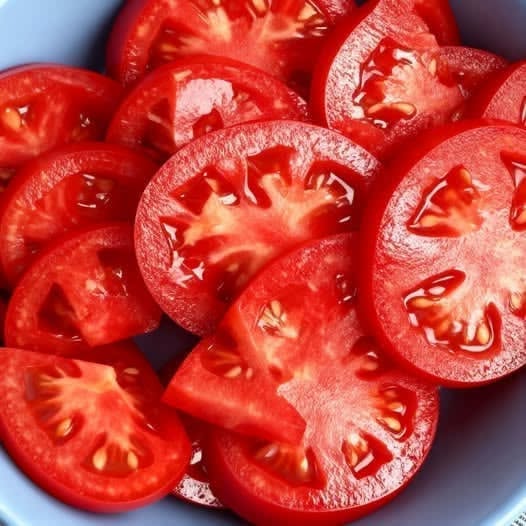
A Good Source of Essential Nutrients
Tomatoes contain several important vitamins and minerals, including:
- Vitamin C
- Vitamin A (from beta-carotene)
- Vitamin K
- Potassium
- Folate
They also contain antioxidants, including lycopene, the natural pigment responsible for their bright red color.
Rich in Antioxidants
Lycopene has been widely studied for its antioxidant properties. Antioxidants help protect cells from oxidative stress caused by unstable molecules known as free radicals.
While research continues, including antioxidant-rich foods like tomatoes may contribute to overall health as part of a varied, balanced diet.
May Support Heart Health
Tomatoes provide potassium, a mineral that helps support normal muscle and nerve function and contributes to maintaining healthy blood pressure when consumed as part of a balanced eating pattern.
Some studies have also explored potential links between tomato consumption and cardiovascular health, although many factors—including overall diet and lifestyle—play important roles.
Supports the Immune System
Vitamin C is an essential nutrient involved in normal immune function. It also supports collagen production, which contributes to healthy skin, blood vessels, and connective tissues.
Including foods rich in vitamin C, such as tomatoes, can help meet daily nutritional needs.
Provides Vitamin A
Tomatoes contain beta-carotene, which the body converts into vitamin A.
Vitamin A contributes to:
- Normal vision
- Healthy skin
- Immune system function
- Normal cell growth
Contributes to Bone Health
Tomatoes contain vitamin K, which plays a role in normal blood clotting and supports healthy bones when combined with adequate calcium, vitamin D, and regular physical activity.
Naturally Low in Calories
Tomatoes are mostly water and relatively low in calories, making them a satisfying addition to many meals.
Their fiber and water content can also help increase feelings of fullness as part of a balanced diet.
Fresh or Cooked—Both Offer Benefits
Tomatoes can be enjoyed in many ways, including:
- Fresh in salads
- Sliced on sandwiches
- Roasted
- Added to soups and stews
- Homemade tomato sauce
- Salsa
- Juice with no added sugar
Interestingly, cooking tomatoes can increase the availability of lycopene, while fresh tomatoes retain higher amounts of vitamin C. Both forms can be part of a healthy eating pattern.
A Versatile Everyday Ingredient
Tomatoes pair well with a wide variety of foods, making them easy to include in everyday meals.
Try adding them to:
- Omelets
- Whole-grain wraps
- Pasta dishes
- Grain bowls
- Homemade pizzas
- Vegetable soups
- Fresh salads
The Bottom Line
Tomatoes are a flavorful, nutrient-rich food that can be part of a healthy, balanced diet. They provide vitamins, minerals, antioxidants, and fiber while remaining naturally low in calories.
Although no single food can prevent disease or guarantee good health, regularly including a variety of fruits and vegetables—such as tomatoes—can support overall wellness as part of a nutritious lifestyle.