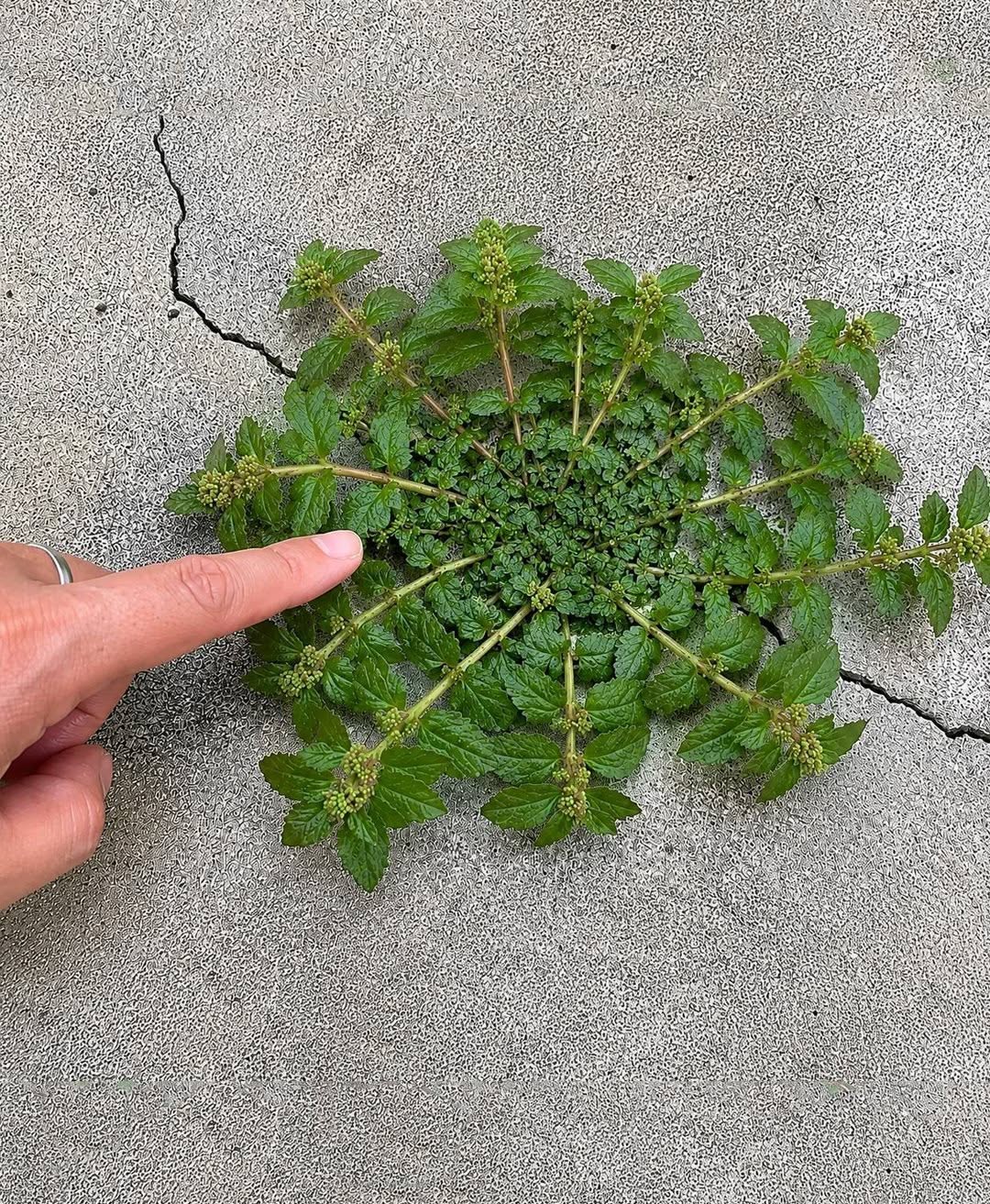
Walk through almost any garden, roadside, or empty lot, and you’re likely to find plants that many people consider little more than weeds. Yet some of these overlooked species have long histories in traditional herbal practices and continue to attract scientific interest today.
One such plant is Euphorbia hirta, commonly known as asthma weed or pill-bearing spurge. Although it often grows unnoticed in disturbed soil and grassy areas, it has been used in traditional medicine across parts of Asia, Africa, and the Americas for generations.
A Hardy Plant With Distinctive Features
Euphorbia hirta is a low-growing annual herb recognized by its reddish stems, small serrated leaves, tiny clustered flowers, and milky white sap released when the stem is broken.
Because it adapts easily to a variety of environments, it can be found in gardens, roadsides, agricultural land, and even cracks in sidewalks. Its resilience has helped make it one of the most widespread wild herbs in tropical and subtropical regions.
Traditional Uses Across Cultures
For centuries, traditional healers have incorporated Euphorbia hirta into herbal remedies for a variety of purposes.
Historically, it has been used in attempts to support respiratory health, soothe digestive discomfort, and address minor skin irritations. In some regions, herbal preparations made from the plant have been consumed as teas or applied externally as poultices.
The nickname “asthma weed” reflects its longstanding association with traditional respiratory remedies, although modern medical treatment should always be sought for conditions such as asthma or severe breathing problems.
Keep reading…