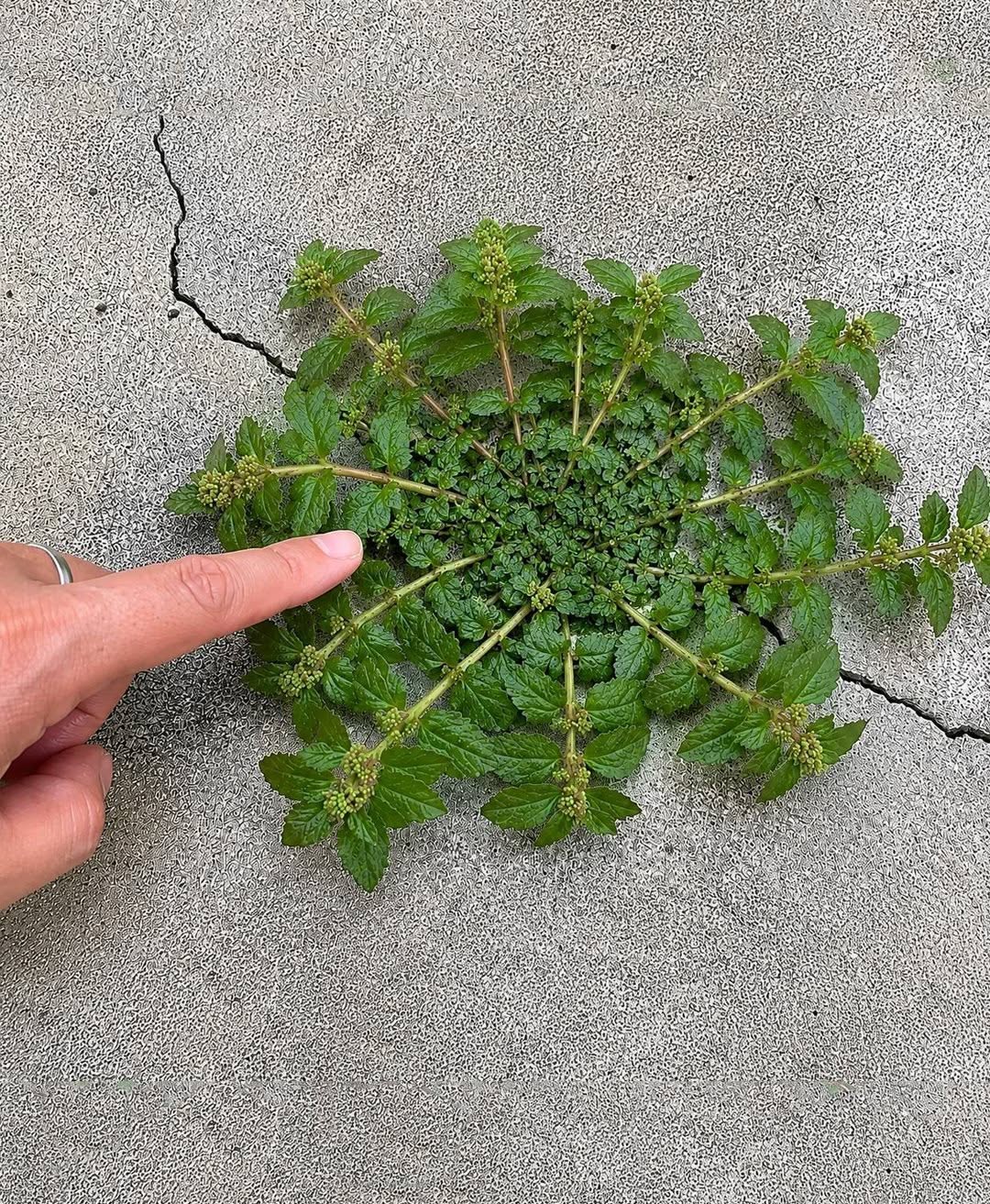
What Science Has Found
Researchers have identified several naturally occurring compounds within the plant, including flavonoids, tannins, alkaloids, and saponins. These substances are of scientific interest because they may possess biological activity under laboratory conditions.
However, while preliminary studies have explored potential antimicrobial, antioxidant, and anti-inflammatory properties, more rigorous clinical research is needed before firm conclusions can be drawn regarding its effectiveness or safety for treating specific diseases.
Traditional use does not necessarily guarantee proven medical benefit.
Safety Matters
Like many medicinal plants, Euphorbia hirta should not be assumed to be harmless simply because it grows naturally.
Its milky sap can irritate the skin and eyes, and consuming excessive amounts may cause stomach upset or other unwanted effects. Pregnant individuals are generally advised to avoid using the plant because of concerns about possible effects on uterine activity.
Anyone considering herbal remedies should consult a qualified healthcare professional, particularly if they have chronic medical conditions, take prescription medications, or are pregnant or breastfeeding.
Appreciating Nature Responsibly
Plants such as Euphorbia hirta highlight the important relationship between traditional knowledge and modern scientific research. Many medicines have originated from natural sources, and studying these species may contribute to future discoveries.
At the same time, identifying wild plants accurately is essential. Numerous species can resemble one another, and misidentification may carry significant health risks.
Rather than viewing every unfamiliar weed as either useless or miraculous, it is often best to approach nature with curiosity, respect, and evidence-based caution.
The next time you spot a small plant growing unnoticed along a path or garden edge, remember that it may have a fascinating history rooted in centuries of traditional practice—even if modern science is still working to understand its full potential.
Have you ever discovered that a common backyard plant had an unexpected history or traditional use? Share your thoughts and experiences in the comments below!