3. Influenza, Commonly Known as the Flu
Influenza is a contagious respiratory illness caused by influenza viruses. Although some herbal preparations are traditionally used to relieve coughs, symptom relief should not be confused with antiviral treatment.
According to the CDC’s influenza treatment guidance, prescription antiviral medicines may be recommended, particularly for people at increased risk of complications or those with severe illness.
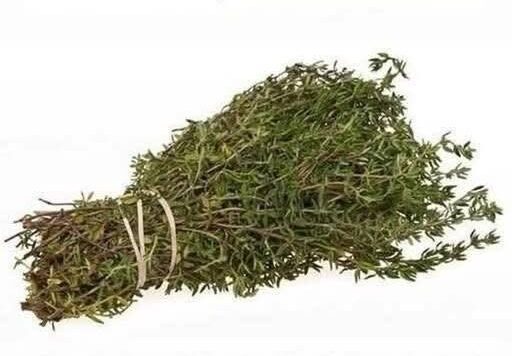
The image does not establish that the herb destroys influenza viruses or prevents flu complications. Claims of this kind require specific clinical evidence rather than visual identification or general references to medicinal plants.
4. Intestinal and Other Parasitic Infections
Parasites include a diverse group of organisms that can cause different illnesses. The appropriate investigation and treatment depend on the suspected parasite and the infection involved.
The CDC’s testing and diagnosis guidance explains that diagnostic methods vary and that no single blood test detects every parasitic infection.
The viral image does not identify a particular parasite, describe a tested treatment or provide evidence of successful treatment in humans.
Consequently, it cannot support a general claim that the pictured herb eliminates parasites.
5. Candida and Yeast Infections
Candida is a type of yeast that can cause infections in different parts of the body. Treatment depends on the location, severity and circumstances of the infection.
The CDC’s candidiasis treatment guidance describes antifungal treatments used for these infections.
Even if a plant compound demonstrates antifungal activity in a laboratory, that finding alone does not establish an effective or safe treatment for Candida infections in people.
The image offers no clinical evidence that the pictured herb can replace appropriate antifungal treatment.
Can the Herb Relieve Arthritis, Joint Pain or Sciatica?
These claims also require careful examination because joint disorders and nerve pain are different from infectious diseases.
Arthritis describes a group of conditions affecting joints. Depending on the type, symptoms may involve pain, stiffness, swelling and reduced mobility. The National Health Service’s arthritis overview explains the range of conditions covered by the term.
Sciatica, by contrast, involves pain associated with irritation or compression of the sciatic nerve. Symptoms can extend from the lower back into the buttock and leg. The NHS sciatica guide describes its symptoms and management.
An antimicrobial effect observed in laboratory research does not establish that an herb can treat arthritis or relieve nerve compression.
The viral image provides no clinical evidence demonstrating that the pictured plant effectively treats either condition. Persistent or worsening joint pain and nerve symptoms deserve an assessment based on their underlying cause.
Why Herbal Preparations and Essential Oils Are Not Interchangeable
One important detail often overlooked in viral health posts is that a culinary herb, an herbal tea, a standardized medicinal preparation and an essential oil are not equivalent products.
Their concentrations, chemical composition, intended uses and potential risks can differ substantially.
Essential oils are concentrated substances that may cause irritation, allergic reactions or poisoning when used improperly. Poison Control’s essential-oil safety guidance explains some of these risks.
A preparation used in cooking should not automatically be considered safe or effective when concentrated into an oil or taken in medicinal quantities.
Readers should avoid swallowing essential oils or applying concentrated products to damaged skin based on claims made in a social media post. Anyone considering medicinal herbal products should check their safety with a qualified health professional, particularly when taking medication, managing an existing condition or considering treatment for a child.
How to Evaluate Viral Claims About Natural Remedies
Social media posts about medicinal plants can be useful starting points for questions about traditional remedies. Problems arise when broad health claims are presented without reliable supporting evidence.
Before accepting a claim that an herb can cure several unrelated diseases, consider these questions:
- Is the plant identified correctly? A common name or photograph may not establish the species.
- Is there human research? Laboratory experiments and animal studies do not automatically demonstrate effectiveness in people.
- Is the preparation specified? Fresh leaves, teas, extracts and essential oils can have different effects and risks.
- Are the claims condition-specific? Evidence for one use does not establish effectiveness against unrelated illnesses.
- Is the source trustworthy? Reputable medical organizations and peer-reviewed research are better starting points than unattributed social media graphics.
These questions help distinguish promising areas of scientific investigation from claims that go beyond what current evidence can support.
Final Verdict: What Can We Actually Conclude?
The viral photograph shows a small-leaved herb bundle that resembles thyme, but the plant’s identity cannot be confirmed from the image alone.
The accompanying claims about parasites, urinary tract infections, herpes, flu, Candida, arthritis and sciatica are not substantiated by the photograph. Research into aromatic herbs and their compounds does not, by itself, prove that an unidentified plant can cure these conditions.
Thyme has recognized culinary uses and certain traditional medicinal applications, but those uses should not be expanded into claims of a universal cure.
The most responsible conclusion is simple: Natural products can be valuable subjects of scientific research, but a viral image is not proof of a treatment’s effectiveness. When symptoms suggest an infection or another significant health problem, seek appropriate medical advice rather than relying on an unverified online remedy.