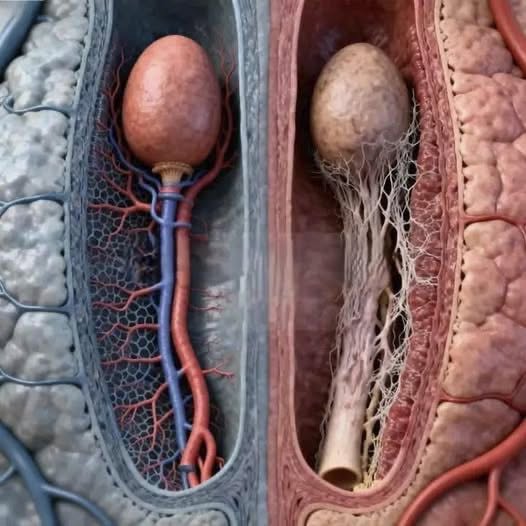
What Do the Kidneys Do?
The kidneys contain millions of tiny filtering structures called nephrons. These structures help remove waste and excess substances from the bloodstream while allowing the body to retain materials it still needs.
The kidneys also help regulate:
- Fluid levels in the body
- Sodium and other electrolytes
- Acid-base balance
- Blood pressure through hormonal mechanisms
- Production of red blood cells through erythropoietin
- Vitamin D activation, which contributes to bone health
This combination of functions makes the kidneys an important part of several interconnected body systems.
Everyday Habits Can Affect Kidney Health
Several common health factors are associated with kidney disease. High blood pressure and diabetes are particularly important because, when poorly controlled over time, they can damage the blood vessels and filtering structures within the kidneys.
Diet can also play a role in overall kidney health. Regularly consuming large amounts of sodium can contribute to higher blood pressure, while a balanced eating pattern can support cardiovascular and metabolic health.
Staying adequately hydrated is also important. However, individual fluid needs vary depending on factors such as activity level, climate, age, and certain medical conditions. People with kidney or heart problems may have specific fluid recommendations from their healthcare professional.
Regular physical activity, maintaining a healthy weight, avoiding tobacco, and limiting excessive alcohol consumption can also contribute to better overall health and may reduce some risk factors associated with kidney disease.
Be Careful With Certain Medications
Some medicines can affect kidney function, particularly when they are used frequently, taken in excessive amounts, or used by people who already have kidney problems.
Nonsteroidal anti-inflammatory drugs (NSAIDs), including some commonly used pain relievers, can reduce blood flow to the kidneys in certain circumstances. The risk may be greater when these medicines are combined with dehydration or certain other medications.
This doesn’t mean people should avoid necessary medication. Instead, it is important to follow the recommended dosage and ask a doctor or pharmacist about potential risks, especially if you regularly take pain medication or have an existing health condition.
Kidney Problems May Not Cause Obvious Symptoms
One reason kidney health deserves attention is that early kidney disease may not produce noticeable symptoms.
As kidney function declines, some people may experience symptoms such as swelling, tiredness, changes in urination, nausea, or difficulty concentrating. However, these symptoms can have many different causes and should not be assumed to indicate kidney disease.
Routine testing can sometimes identify kidney problems before symptoms develop. Depending on a person’s health history and risk factors, a healthcare professional may recommend blood or urine tests to assess kidney function.
Who May Need Extra Attention?
Kidney disease can affect people of different ages. The risk can be higher in people with conditions such as diabetes, high blood pressure, cardiovascular disease, or a family history of kidney disease.
Having one or more risk factors does not mean that someone will develop kidney disease. It simply means that discussing appropriate screening and prevention with a healthcare professional may be worthwhile.
Simple Steps That Support Overall Kidney Health
There is no single habit that guarantees healthy kidneys. Instead, kidney health is supported by a combination of everyday choices and appropriate medical care.
Helpful steps can include:
- Keeping blood pressure within a healthy range
- Managing blood sugar when recommended
- Eating a balanced diet with appropriate sodium intake
- Staying adequately hydrated
- Exercising regularly
- Avoiding tobacco
- Using over-the-counter medicines according to their directions
- Discussing regular pain-reliever use with a healthcare professional
- Attending recommended health screenings
People who already have kidney disease may need individualized advice about diet, fluids, medications, and exercise, so general recommendations should not replace medical guidance.
Small Organs With an Important Role
The kidneys perform essential work every day, often without producing any noticeable sensation. Paying attention to the factors that influence kidney health—particularly blood pressure, blood sugar, diet, medication use, and overall lifestyle—can be an important part of long-term health care.
Most importantly, kidney health isn’t about following a perfect routine. It is about understanding your personal risk factors, maintaining healthy habits where possible, and seeking appropriate medical advice when concerns arise.
Medical note: This article is for general informational purposes and is not a substitute for professional medical advice, diagnosis, or treatment. If you have symptoms, risk factors, or concerns about your kidney function, speak with a qualified healthcare professional.