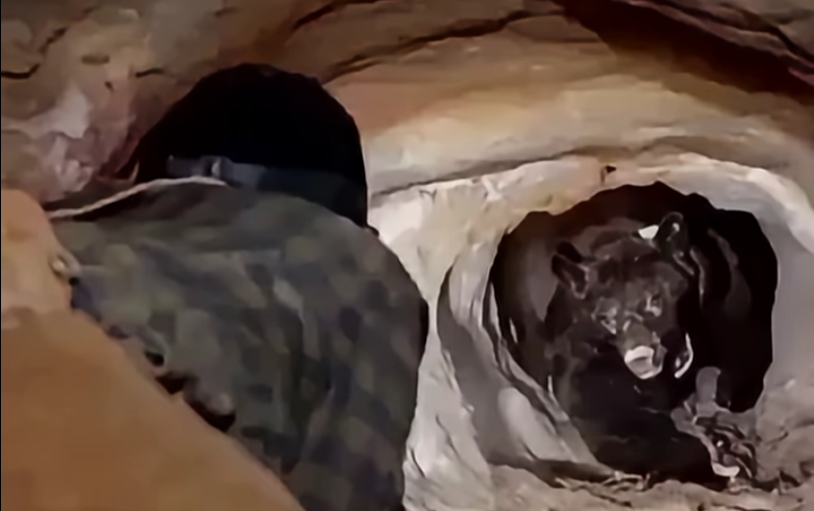
Exploring Caves During Winter? Wildlife Experts Warn About an Often-Overlooked Danger
Exploring caves can be an unforgettable outdoor adventure, offering breathtaking rock formations, hidden passages, and a fascinating glimpse into nature. However, during the colder months, these seemingly peaceful environments may also serve as winter shelters for bears. Understanding the risks before entering an unfamiliar cave could help prevent a dangerous wildlife encounter.
For outdoor enthusiasts, hiking through remote forests and discovering natural caves can be an exciting way to experience the wilderness.
However, winter brings significant changes to animal behavior, particularly among bears preparing for seasonal dormancy.
A cave that appears empty from the outside may provide shelter for wildlife seeking protection from freezing temperatures.
Why Bears Use Caves During Winter
As temperatures decline and natural food sources become scarce, many bears enter a period of winter dormancy commonly known as hibernation.
During this time, their metabolism and heart rate decrease, allowing them to conserve energy.
Bears may choose several types of natural shelters, including:
- Caves and rocky crevices
- Hollow trees
- Abandoned animal burrows
- Sheltered areas beneath fallen trees
- Dens dug into hillsides
These locations provide insulation and protection from harsh winter conditions.
However, not every bear uses a cave, and denning behavior varies depending on the species, climate, and surrounding environment.
Can Hibernating Bears Wake Up?
One common misconception is that bears remain completely unconscious throughout winter.
Although their bodily functions slow considerably, bears can awaken and respond to disturbances.
Unexpected noise, movement, or human activity near a den may disturb a resting animal.
Female bears may also give birth during winter and remain inside their dens with newborn cubs.
Approaching an occupied shelter can create a potentially dangerous situation for both humans and wildlife.
For this reason, outdoor visitors should never attempt to approach or photograph a bear inside its den.
Warning Signs That a Cave May Be Occupied
Before approaching unfamiliar caves in bear country, outdoor enthusiasts should remain aware of their surroundings.
Potential signs of nearby bear activity include fresh footprints, animal droppings, claw marks on nearby trees, disturbed vegetation, and animal sounds coming from sheltered areas.
However, the absence of these signs does not guarantee that a cave is empty.
An occupied den may be difficult to identify, especially when snow covers surrounding tracks.
If there is any reason to suspect that a cave contains wildlife, the safest approach is to avoid entering it.
Seven Essential Safety Tips for Exploring Bear Country
Continue reading…