Preparation can make a significant difference when spending time in remote natural environments.
1. Research the Area Before Visiting
Check local wildlife advisories, seasonal restrictions, weather forecasts, and national park regulations before beginning an outdoor adventure.
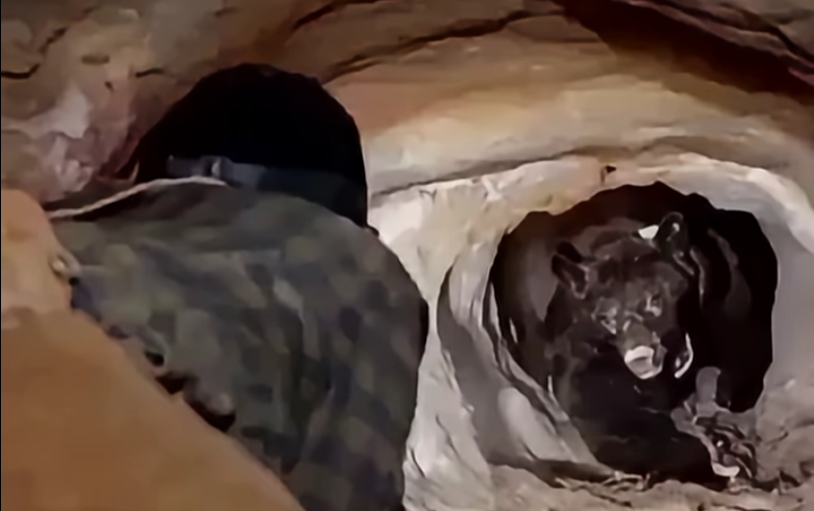
2. Avoid Exploring Unmarked Caves
Unfamiliar caves may contain unstable rock formations, hidden drops, poor air quality, or wildlife shelters.
Choose authorized caves and established exploration routes whenever possible.
3. Travel With Other People
Exploring remote wilderness areas alone can increase the risks associated with injuries, navigation problems, and unexpected wildlife encounters.
4. Carry Appropriate Outdoor Safety Equipment
Reliable flashlights, backup batteries, suitable footwear, warm clothing, navigation equipment, and a first-aid kit are important considerations for outdoor activities.
5. Keep Food Properly Stored
Bears have a highly developed sense of smell. Follow local food storage requirements and avoid leaving food or scented waste in wilderness areas.
6. Maintain a Safe Distance From Wildlife
Never approach a bear, attempt to feed it, or enter a suspected winter den for a closer photograph.
7. Let Someone Know Your Travel Plans
Before visiting remote areas, inform someone about your intended route and expected return time.
This information can be valuable if an emergency occurs.
What Should You Do if You Unexpectedly Encounter a Bear?
Unexpected encounters with wild animals can be frightening, but remaining calm is important.
If you discover a bear that has not noticed you, quietly retreat without approaching or disturbing it.
If the animal is aware of your presence, avoid running, sudden movements, or blocking its escape route.
Move away gradually when it is safe to do so.
The appropriate response to a bear encounter can vary depending on the species and the animal’s behavior. Outdoor enthusiasts should familiarize themselves with official, region-specific wildlife safety guidance before traveling.
Other Hidden Risks of Winter Cave Exploration
Wildlife is not the only concern associated with exploring caves during colder months.
Winter conditions can introduce additional challenges, including slippery surfaces, falling ice, freezing temperatures, flooding, and reduced daylight.
Some caves may also contain narrow passages or unstable geological formations.
These conditions can make navigation difficult and complicate emergency rescue operations.
For inexperienced explorers, professionally guided cave tours are generally a safer alternative to entering unfamiliar underground environments independently.
Why Protecting Wildlife Matters
Bears play an important role in maintaining healthy ecosystems.
Disturbing their winter shelters may interrupt the natural process that allows them to conserve energy during periods of limited food availability.
Responsible outdoor recreation involves respecting wildlife habitats, following conservation regulations, and leaving natural environments undisturbed.
Visitors can enjoy the beauty of nature without interfering with the animals that depend on it.
Enjoying the Outdoors Safely This Winter
Winter offers extraordinary opportunities to explore forests, mountains, national parks, and geological formations.
However, preparation and awareness are essential when traveling through areas inhabited by wildlife.
Understanding bear behavior, carrying appropriate outdoor equipment, and respecting seasonal restrictions can help reduce unnecessary risks.
The most memorable outdoor adventures are not necessarily the most daring ones, but those that allow people to experience nature safely while protecting the wildlife that calls it home.