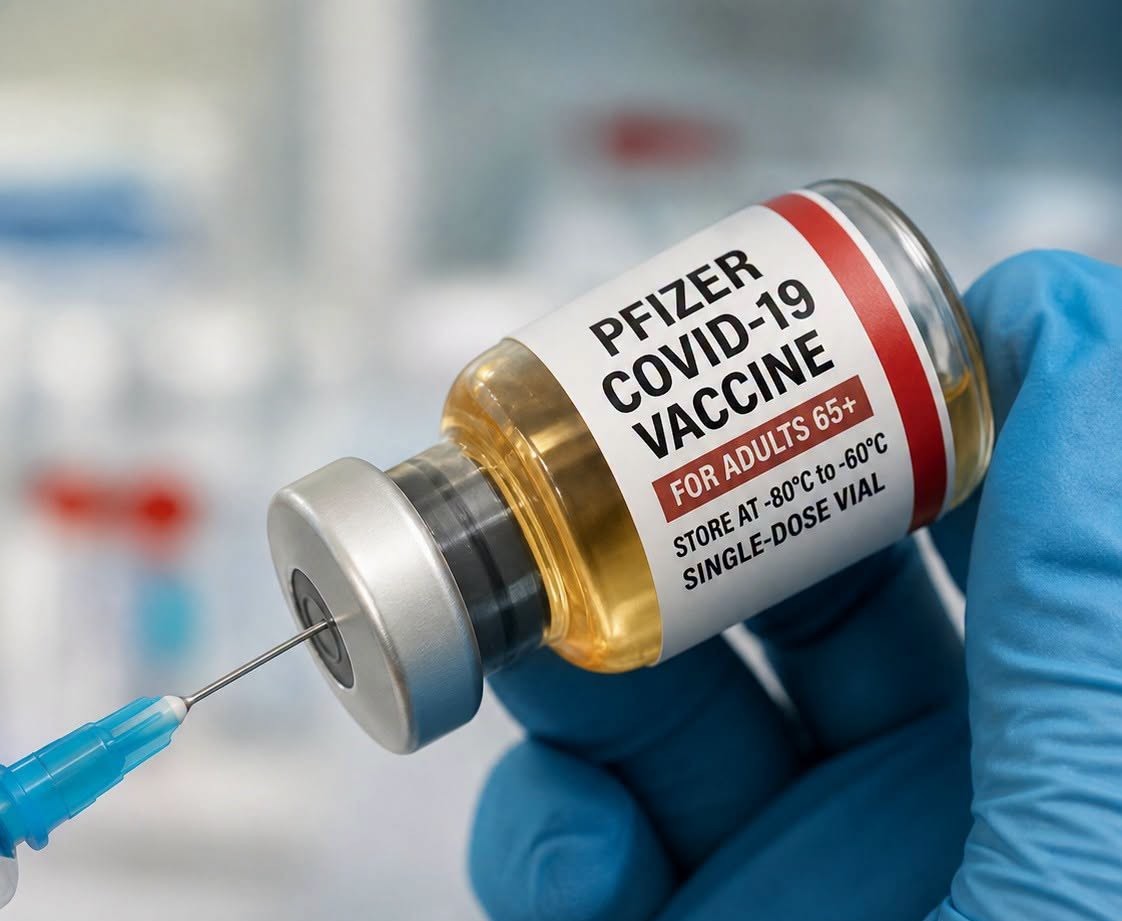
Pfizer and BioNTech said their 2026–2027 formula was developed to align with FDA guidance and target the XFG variant. The companies reported that testing showed the updated vaccine produced an immune response against contemporary circulating and emerging lineages.
An updated formula does not mean earlier COVID-19 vaccines were considered failures. Vaccine development for respiratory viruses is an ongoing process in which formulations can change as the virus evolves.
What About Vaccine Safety?
Safety remains an important part of the discussion.
According to the CDC, most common reactions following COVID-19 vaccination are mild and include symptoms such as soreness at the injection site, fatigue, headache, fever, chills, muscle aches, and joint pain. These reactions generally resolve on their own.
Rare but recognized reactions are also monitored. Myocarditis and pericarditis have been associated with mRNA COVID-19 vaccines, with the highest observed risk occurring among adolescent and young adult males, particularly within several days after vaccination.
Severe allergic reactions are also possible but rare. The CDC continues to monitor vaccine safety through multiple systems, including VAERS and other surveillance programs.
Importantly, a health event reported after vaccination does not automatically mean that the vaccine caused it. Safety investigators look at rates, timing, background incidence, clinical evidence, and data from multiple monitoring systems before determining whether a causal relationship exists.
Does Pfizer’s COVID-19 Vaccine Cause Cancer?
Claims connecting Pfizer’s COVID-19 vaccine with cancer have circulated online, but Pfizer states that there is no evidence that its COVID-19 vaccine causes cancer or changes human DNA.
That does not mean every health concern should be dismissed. It means that readers should distinguish between an online claim, a report of an event after vaccination, and evidence demonstrating that a medical product caused that event.
A symptom appearing after vaccination can have many possible explanations. Anyone experiencing persistent or concerning symptoms should discuss them with a qualified healthcare professional rather than attempting to determine the cause from social media posts.
What Should People Take From the New Update?
The latest Pfizer announcement is primarily about the availability of an updated vaccine formula for the upcoming 2026–2027 season.
Whether vaccination is appropriate depends on individual circumstances, including age, health conditions, vaccination history, and current public-health recommendations. COVID-19 vaccination guidance can change as new evidence and vaccine formulations become available, so people should consult current guidance and their healthcare professional when making personal medical decisions.
The broader lesson from the past several years is that vaccine safety does not require pretending that medical products have zero risks. Responsible monitoring means recognizing both benefits and potential adverse events, investigating safety signals, and updating recommendations when evidence warrants it.
For the public, the most useful approach is neither alarm nor complacency. Look beyond dramatic headlines, check the date and source of a claim, and distinguish confirmed evidence from speculation.
The 2026–2027 Pfizer update is another step in an evolving vaccination program. For eligible people, the practical question is not simply whether the vaccine exists, but whether the current recommendation applies to them and how its potential benefits and risks fit their individual circumstances.