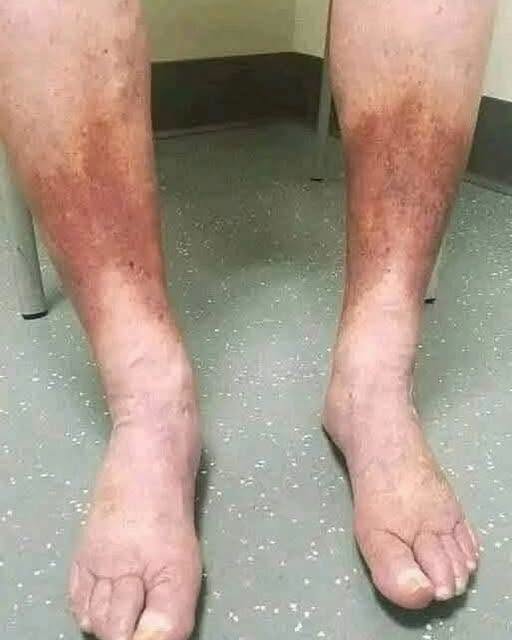
Why Do Feet Become Swollen?
One of the most common reasons for swollen feet is fluid accumulation.
Gravity naturally causes fluid to collect in the lower parts of the body, particularly when you spend many hours sitting or standing without moving around. This can be especially noticeable at the end of a long day.
Warm temperatures may also contribute to swelling because heat can affect circulation and cause blood vessels to expand.
Other everyday factors may include:
- Long periods of sitting or standing
- Extended travel
- Increased physical activity
- Tight or uncomfortable footwear
- A diet high in sodium
- Minor injuries or inflammation
- Temporary changes in fluid balance
In these situations, swelling may improve after resting, changing position, or moving around.
Simple Ways to Ease Mild Swelling
If your feet become mildly swollen after a long day, a few simple habits may help.
Try taking short walks or moving your ankles regularly instead of staying in one position for extended periods. Gentle stretching can also encourage movement and improve comfort.
When resting, you can elevate your feet on a cushion or footrest. This may help fluid move away from the lower legs.
Staying adequately hydrated is also important. If you regularly consume large amounts of salty foods, reducing excessive sodium intake may help some people manage fluid retention.
Comfortable footwear can make a difference as well. Shoes that fit properly and do not place unnecessary pressure on your feet may help reduce discomfort.
When Swelling May Need Medical Attention
Not all swelling has the same cause.
It is a good idea to speak with a healthcare professional if swelling continues without an obvious explanation, keeps returning, or gradually becomes worse.
You should also pay attention to how the swelling develops.
For example, swelling that appears suddenly or affects only one foot or leg may require prompt medical assessment, particularly if it is accompanied by pain, redness, warmth, or tenderness.
Persistent swelling in both feet can also sometimes be associated with underlying conditions involving circulation, the veins, the heart, kidneys, liver, or other parts of the body. Only a healthcare professional can determine the actual cause.
Watch for Other Symptoms
Swollen feet may be more concerning when they occur alongside other unexplained symptoms.
Seek prompt medical advice if swelling is accompanied by:
- Significant pain
- Redness or unusual warmth
- Sudden swelling, particularly on one side
- Skin changes or an open wound
- Unexplained or worsening fatigue
- Difficulty breathing
- Chest discomfort
Breathing difficulties or chest discomfort occurring with sudden swelling should be treated as potentially urgent symptoms, and immediate medical care may be appropriate.
Don’t Ignore Persistent Changes
Occasional swelling after a long day or during hot weather is often temporary. However, persistent or unexplained changes deserve attention.
Your feet and ankles can sometimes provide clues about changes happening elsewhere in the body. Paying attention to new symptoms and discussing ongoing concerns with a qualified healthcare professional can help identify potential problems early.
If you are unsure about the cause of your swelling, especially if it is new, worsening, or accompanied by other symptoms, it is best to seek personalized medical advice rather than relying solely on general information.
Disclaimer: This article is for general informational purposes only and is not a substitute for professional medical diagnosis or treatment. If you have concerns about swelling or other symptoms, consult a qualified healthcare professional.